
Driving on ice involves operating a vehicle on surfaces with extremely low friction. This environment significantly affects braking acceleration and steering response.
Drivers must adapt their technique to maintain vehicle stability.
Vehicle Dynamics on Ice
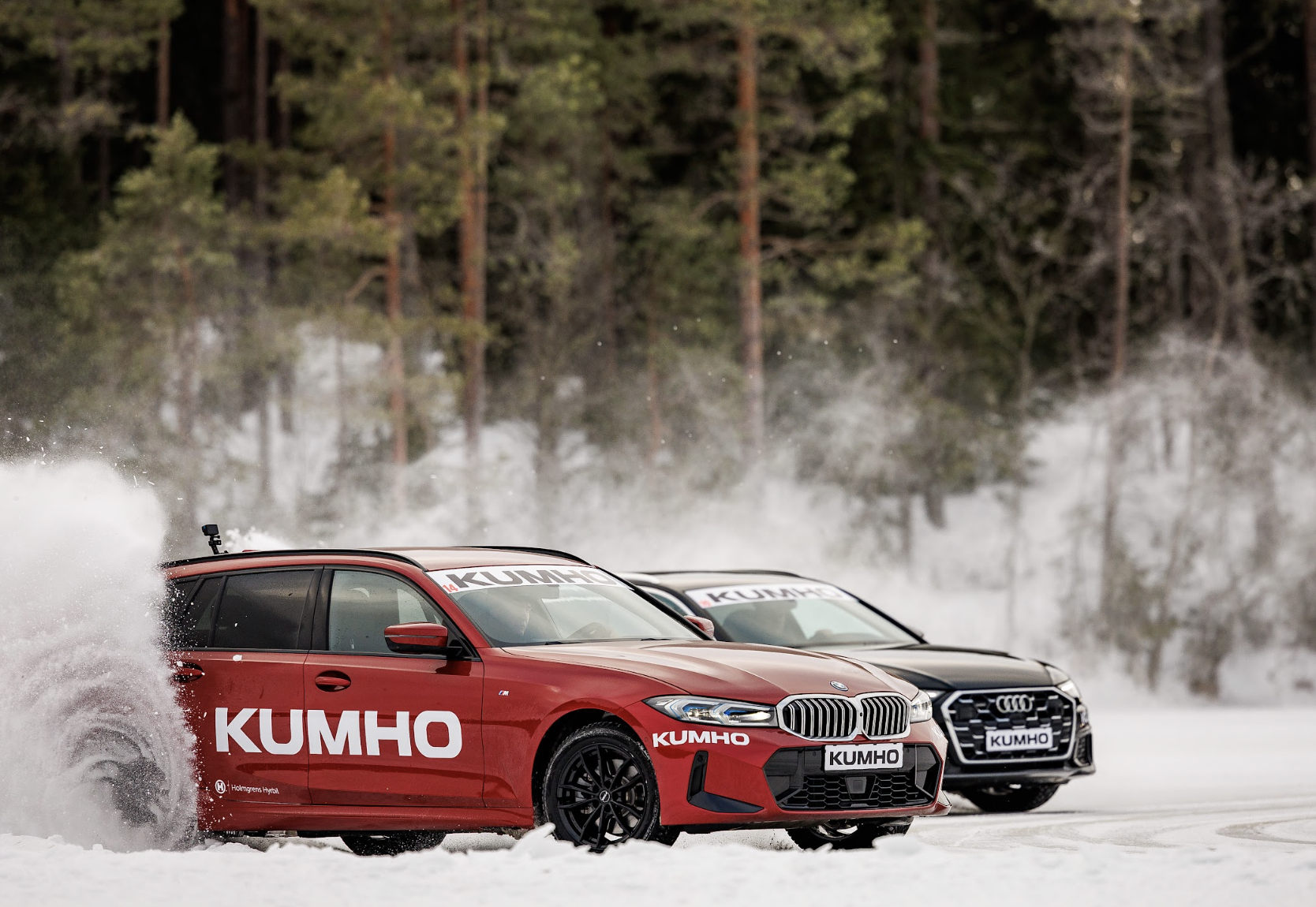
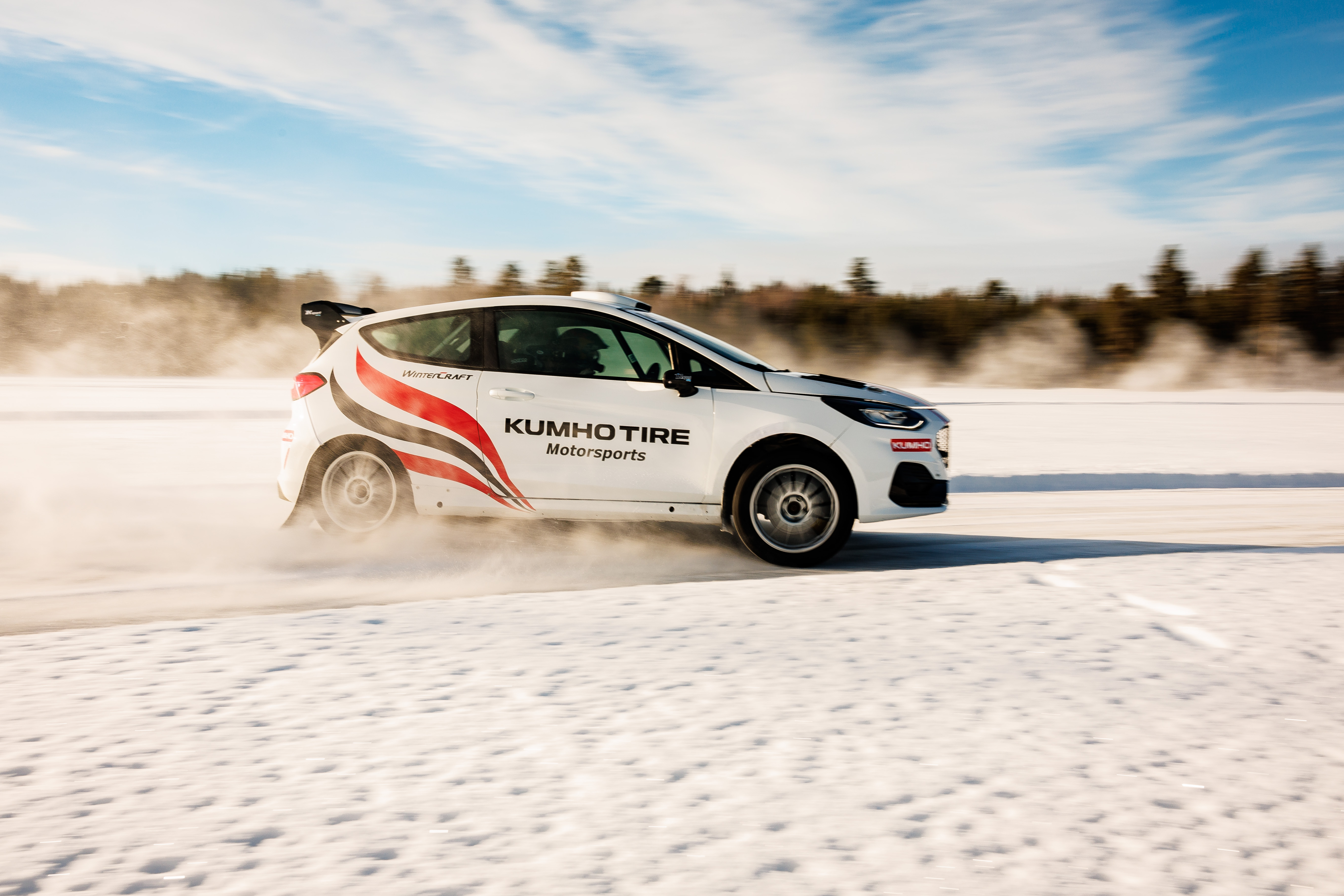
Low friction surfaces increase the likelihood of understeer and oversteer. Understeer occurs when the front tires lose grip and the vehicle turns less than expected. Oversteer occurs when the rear tires lose grip causing the rear of the vehicle to slide.
Understanding these dynamics is essential for safe driving on ice.
Ice Track Design
Ice tracks are created by clearing snow from frozen lakes. Track layouts include straights corners and handling sections designed for driver training.
Track preparation is performed using snow plows and maintenance equipment to maintain consistent conditions.
Importance of Studded Tires
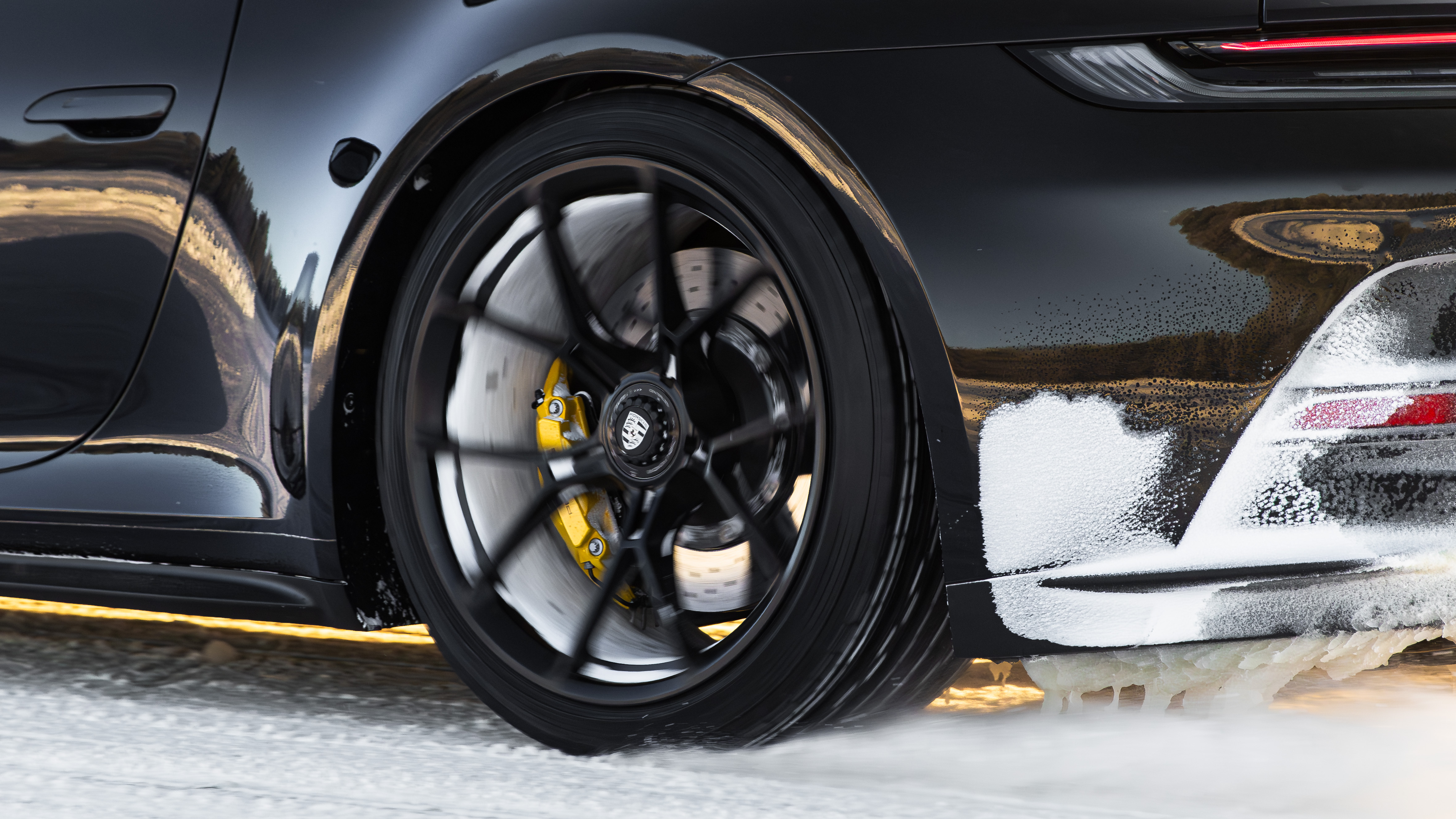
Studded winter tires increase traction by penetrating the ice surface. This allows vehicles to maintain directional stability and reduces stopping distances.
These tires are commonly used during organized ice driving programs.
Training Benefits
Practicing driving on ice improves driver awareness of traction limits and vehicle balance. Drivers learn to react to sliding conditions and maintain control during sudden changes in grip.
These skills can also improve winter road safety.




.jpg)

.jpeg)